training. Your decision reflects a rational choice based on your personal values, preferences, and the perceived benefits of each activity. By choosing to participate in the play, you are prioritizing the enjoyment and fulfillment you anticipate from acting over the potential achievements and experiences that might come from being part of the cross-country team.
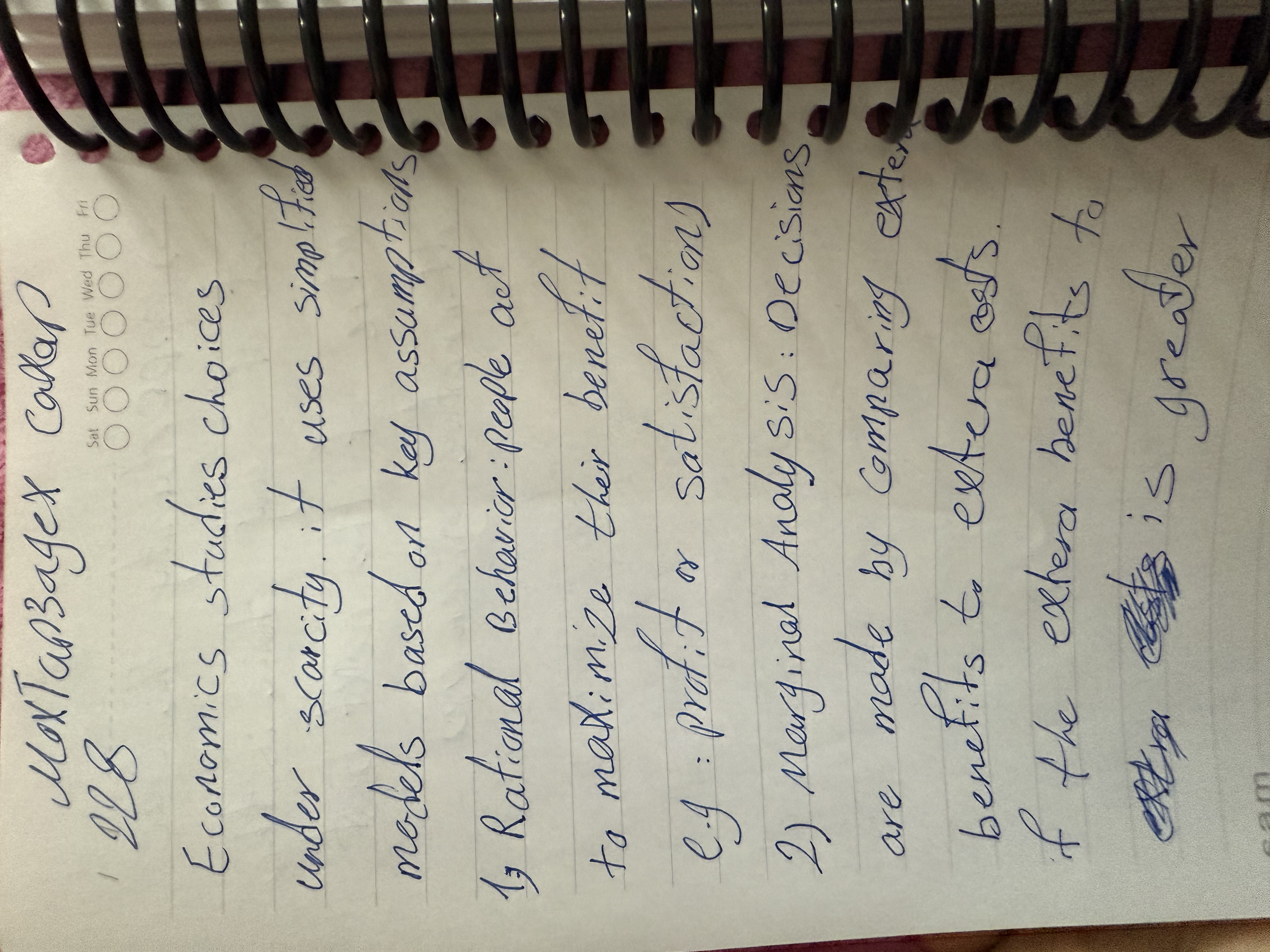
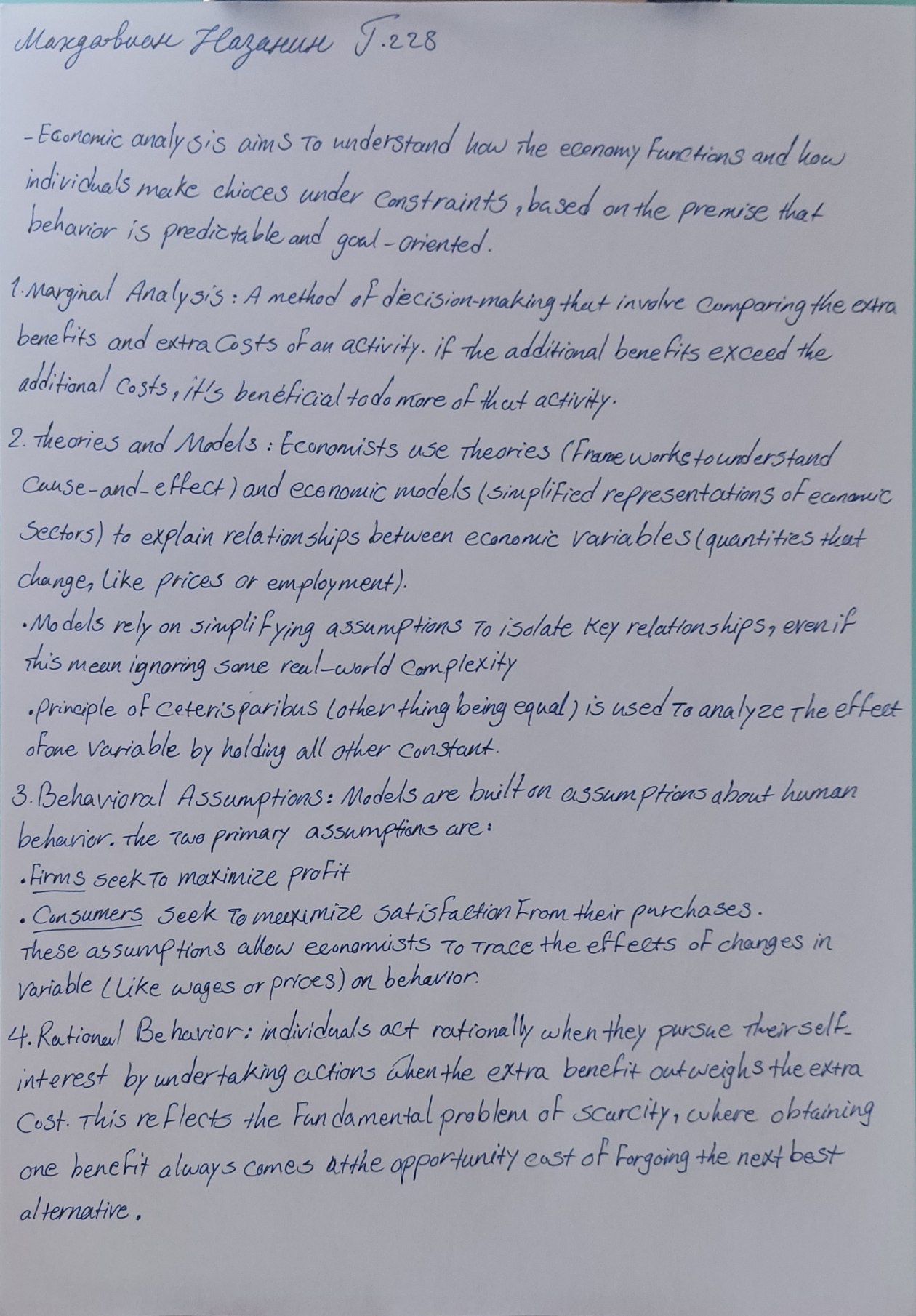
This scenario illustrates a fundamental economic principle: the concept of opportunity cost. The opportunity cost is the value of the next best alternative that you forgo when making a choice. In this case, the opportunity cost of choosing to act in the play is the experience, potential accolades, and personal growth you would have gained from training for cross-country.
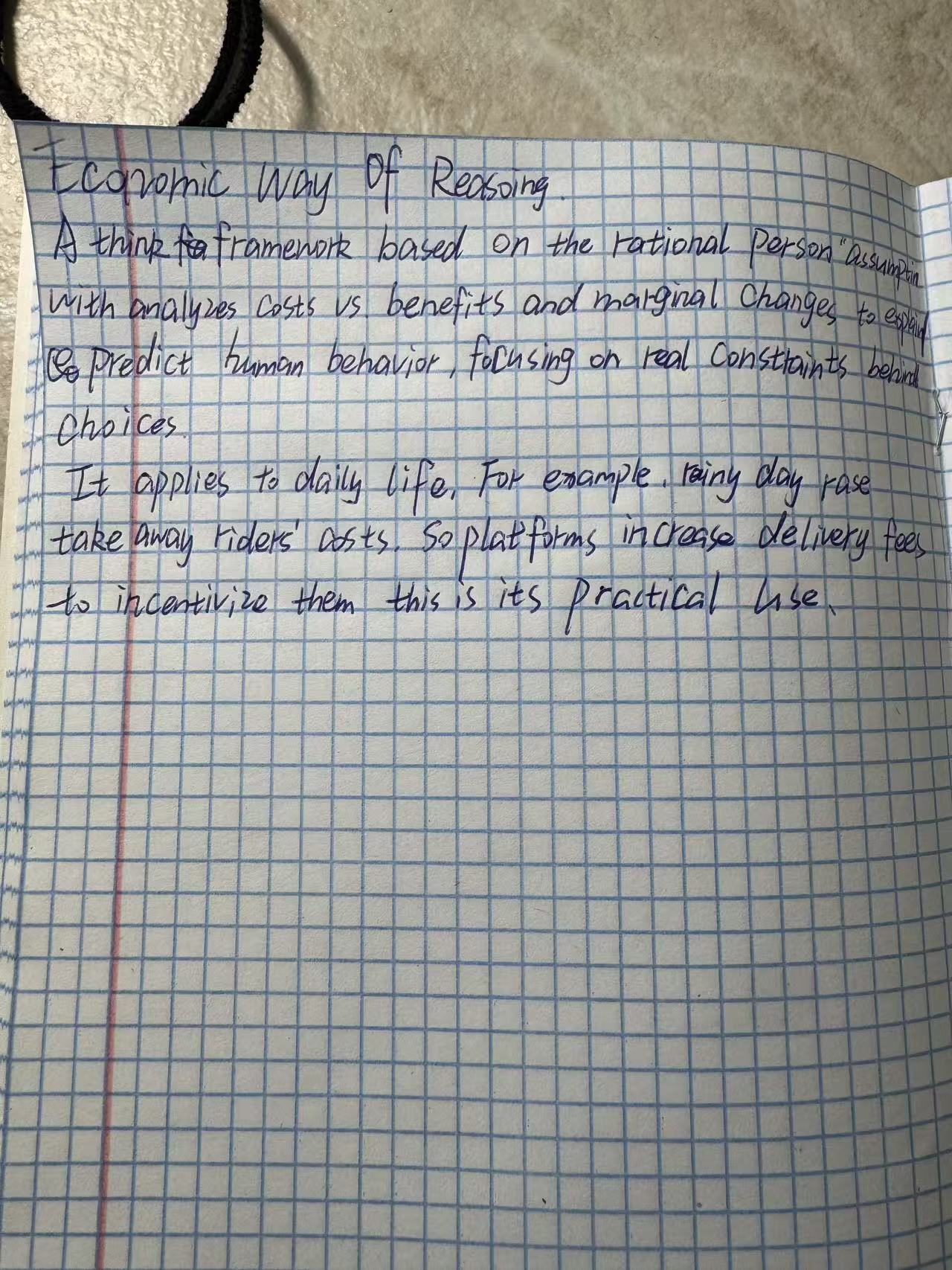
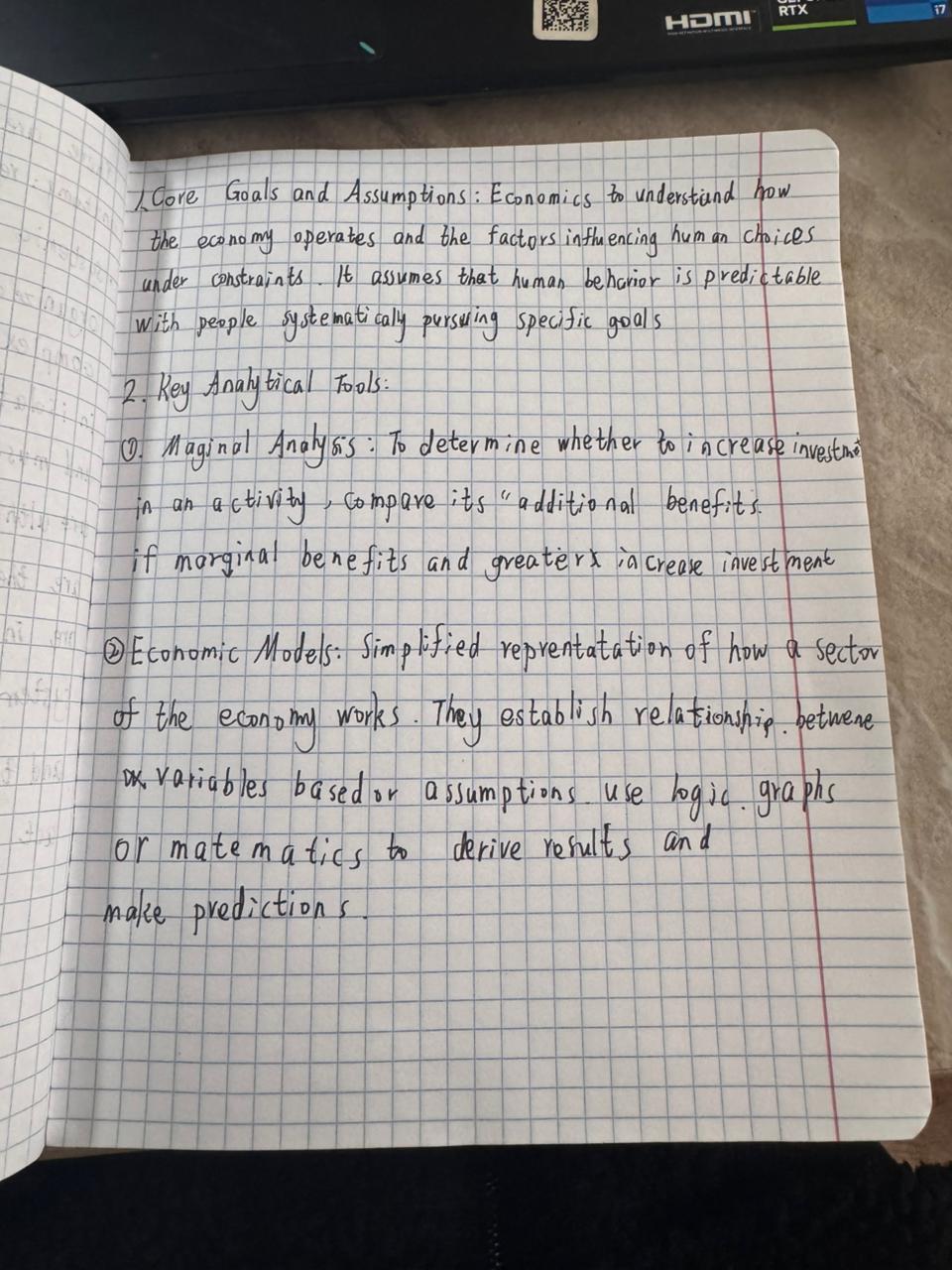
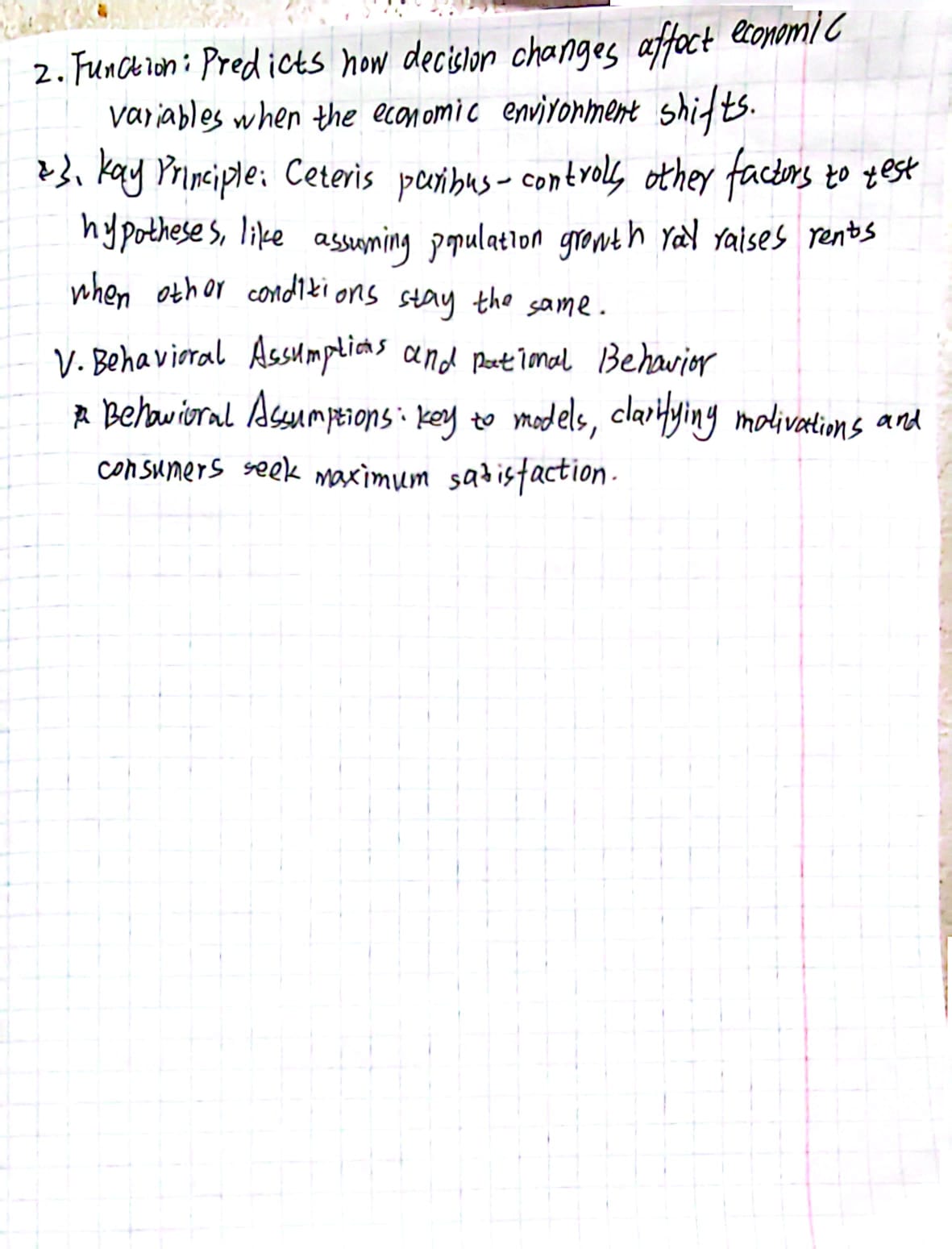
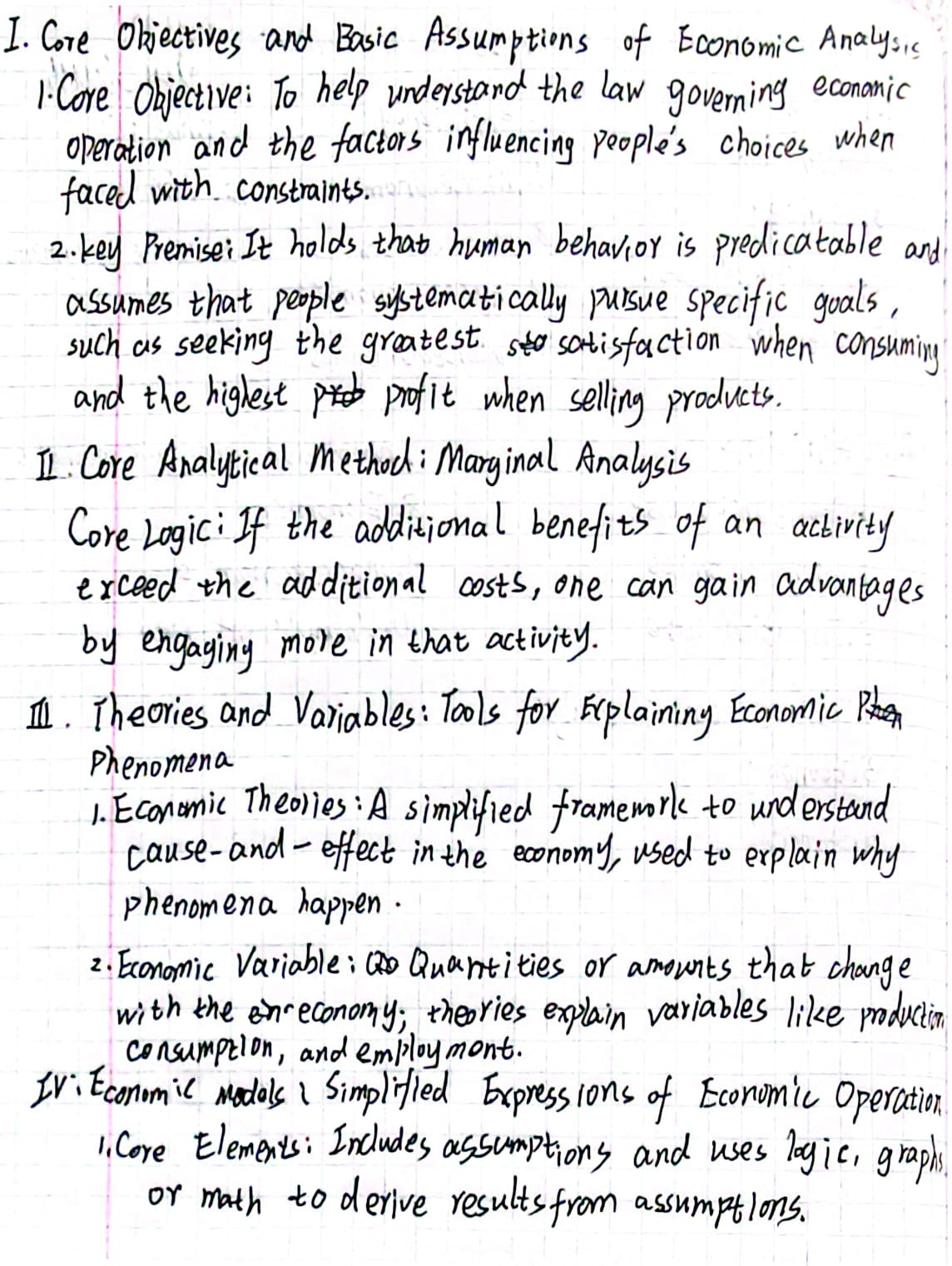
Understanding this trade-off is crucial in decision-making processes, not just for individuals but also for businesses and consumers. Firms must consider the opportunity costs associated with their production choices, such as investing resources in one product over another. Similarly, consumers weigh the benefits of various goods and services against their costs and decide based on what provides them with the most satisfaction.
In essence, both individual and collective economic behaviors are driven by the pursuit of maximizing utility or profit while navigating the constraints imposed by scarcity. The rational evaluation of benefits versus costs leads to informed decisions that reflect personal or organizational goals and priorities. Thus, whether it’s an individual choosing between two activities or a firm adjusting its production strategy in response to wage changes, the underlying principles of rational behavior and opportunity cost remain central to economic analysis.


 你好
你好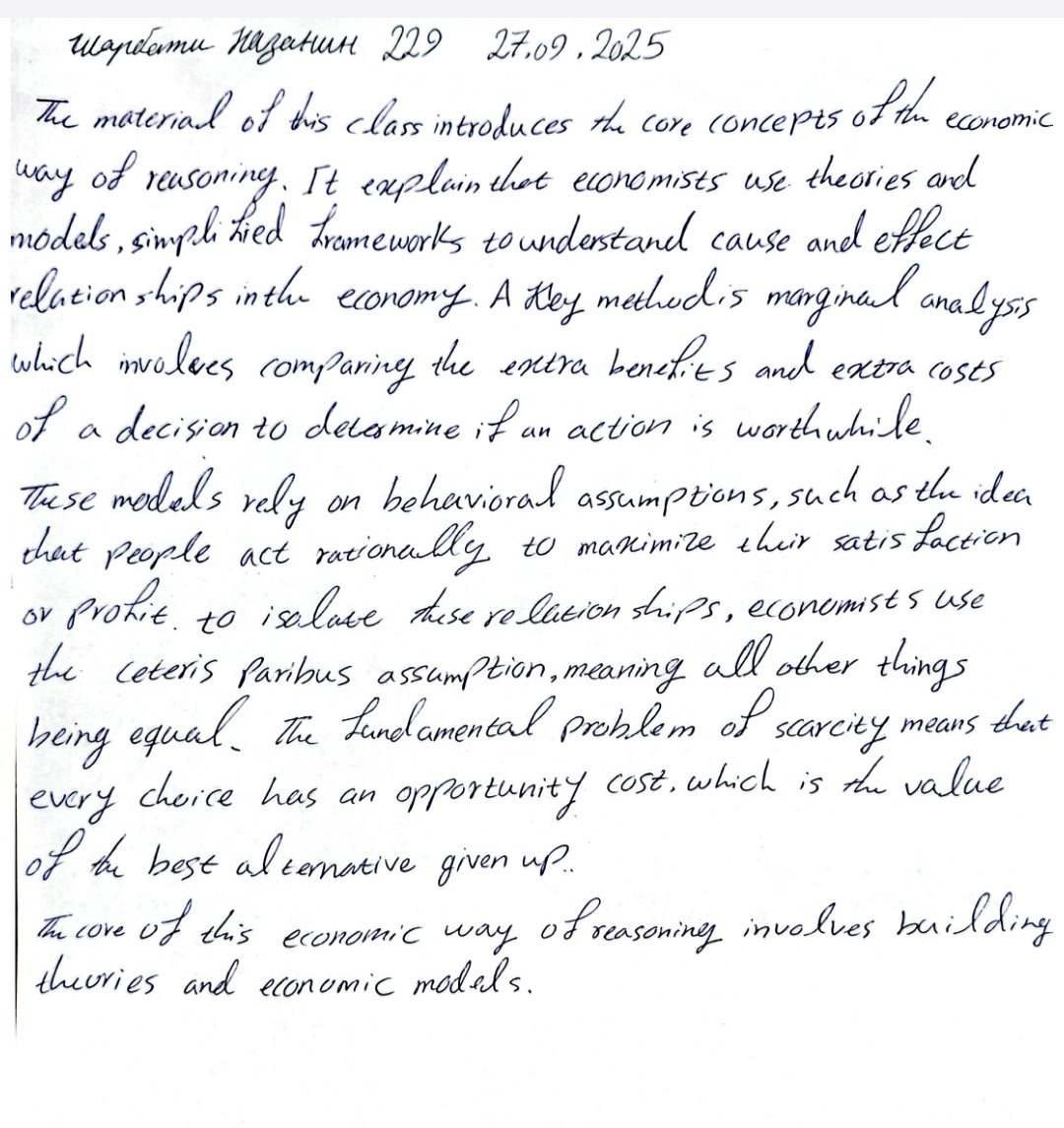

 20250927_113522.heic